 Business License

2026 Guide: How Modern Fruit & Vegetable Processing Equipment Boosts Your Profit & Quality
2026 Guide: How Modern Fruit & Vegetable Processing Equipment Boosts Your Profit & Quality
The global fruit and vegetable processing industry is evolving rapidly in 2026. As consumer demand for fresh, safe, and long-shelf-life produce products continues to surge, food processing factories face two core challenges: maintaining consistent product quality and cutting operational costs. Outdated manual and semi-automatic processing equipment can no longer meet modern production standards, leading to low efficiency, high waste, unstable hygiene quality, and rising labor expenses.
If you are running a fruit and vegetable processing plant, beverage factory, frozen food production line, or agricultural product deep-processing business, upgrading your processing equipment is the most cost-effective way to enhance market competitiveness. In this blog, we will break down why modern automated fruit and vegetable processing solutions have become a must-have for processors worldwide, and how our professional equipment helps you solve mainstream production pain points.
The Main Pain Points of Traditional Fruit & Vegetable Processing
Most medium and small processing factories are trapped in outdated production modes that restrict business growth. The common problems are highly consistent across the industry:
High raw material waste: Manual cutting, peeling and sorting cause irregular processing sizes and excessive material loss, greatly reducing the utilization rate of fruits and vegetables
Unstable product quality: Manual operation leads to inconsistent slicing, dicing and cleaning effects, failing to meet unified commercial standards and affecting product sales and repurchase rates
Low production efficiency: Manual cooperation with simple machinery cannot support large-scale and continuous production, limiting order capacity and business expansion
Poor food safety compliance: Traditional equipment has dead corners that are hard to clean, easily causing microbial residue and failing to meet international food hygiene certification standards
High comprehensive operating costs: Long-term reliance on a large number of workers leads to high labor costs, while outdated equipment consumes more water and electricity energy, compressing profit margins
Recently Posted
-
How to start a dates business? Why Choose Our Processing Equipment?
June 3, 2026Why Choose Our Processing Equipment?Cost Reduction & Efficiency Improvement: Full automatic operation reduces labor dependence Read More
 -
Our Professional Fruit & Vegetable Processing Equipment: Solve Your Production Problems in One Stop
June 3, 2026Our Professional Fruit & Vegetable Processing Equipment: Solve Your Production Problems in One StopAs a professional manufactu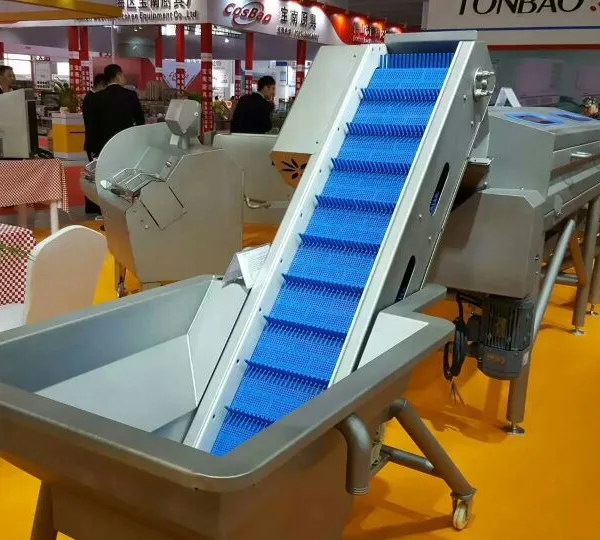 Read More
 -
2026 Key Trends of Fruit & Vegetable Processing Equipment
June 3, 20262026 Key Trends of Fruit & Vegetable Processing EquipmentDriven by environmental protection policies, food safety standards an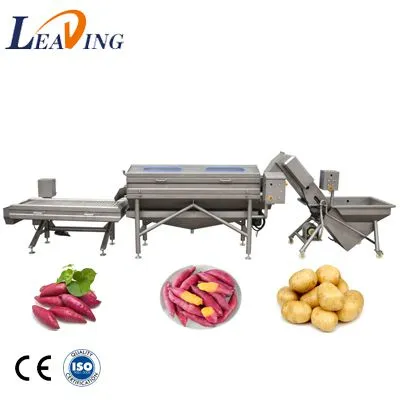 Read More
 -
Composition and Core Functions of Complete Date Palm Processing Equipment
June 2, 2026II. Composition and Core Functions of Complete Date Palm Processing Equipment A mature commercial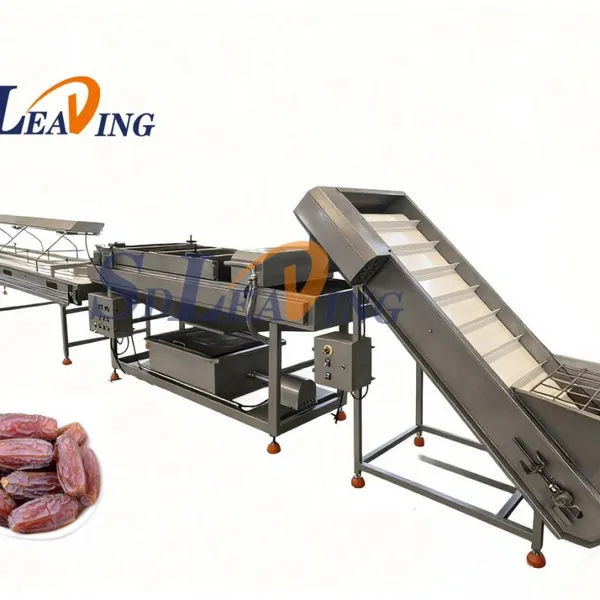 Read More

Contact Us
Recommended Products
-
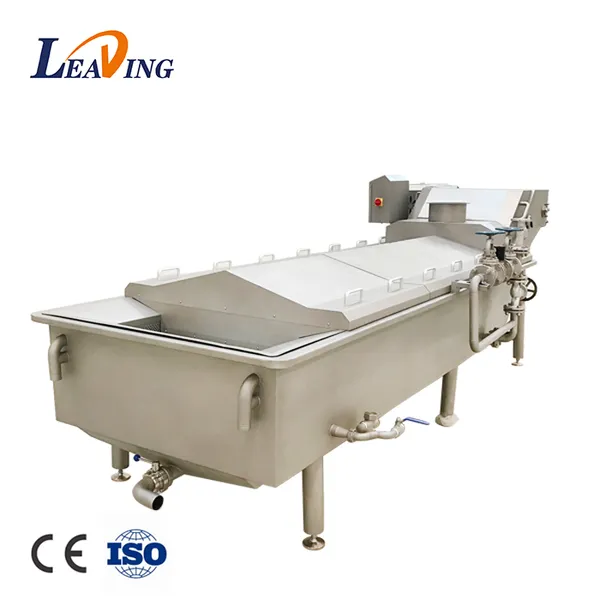
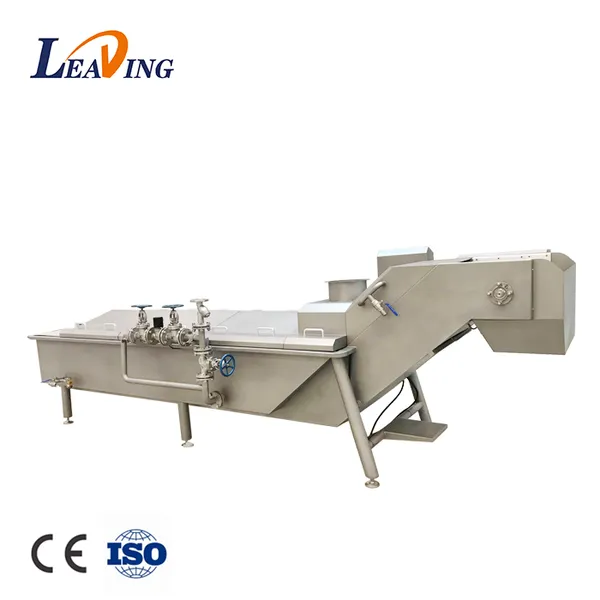
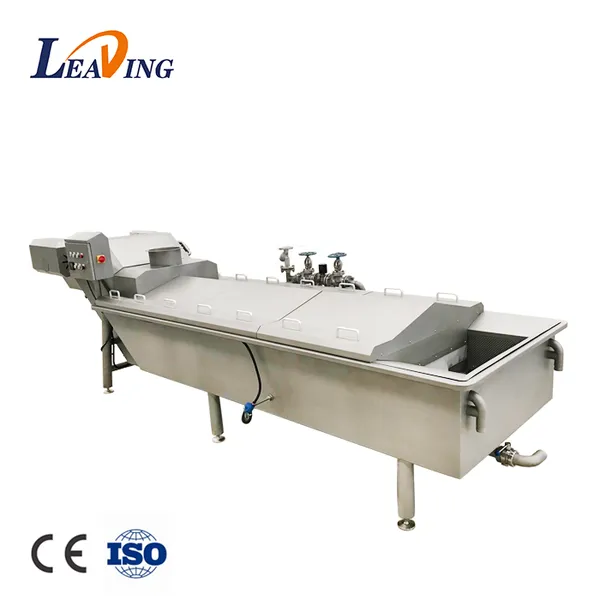
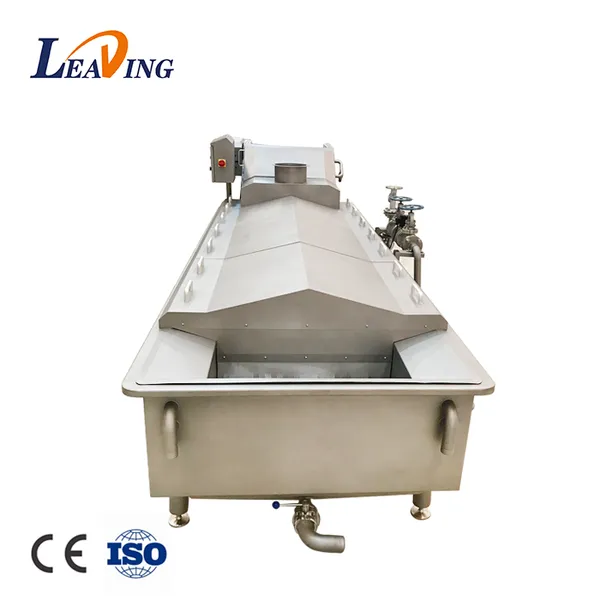
 Vegetable And Fruit Pre Cooking Machine Continuous Steam Blanching Machine Food Blanching Equipment With Temperature ControlUS$ 8560MOQ: 1 Set
 -
Industrial Food Blanching Machine Stainless Steel Steam Blanching Equipment Vegetable And Fruit Pre Cooking MachineUS$ 8560MOQ: 1 Set
-
Vegetable And Fruit Blanching Machine Automatic Steam Blanching Machine Food Blanching Equipment For Fruit Vegetable Pre CookingUS$ 8560MOQ: 1 Set
-
Steam Blanching Machine Industrial Food Blanching Equipment Vegetable And Fruit Pre Cooking MachineUS$ 8560MOQ: 1 Set
-
Food Blanching Machine Steam Blanching Equipment Stainless Steel Vegetable And Fruit Blanching Machine For Food Processing Pre CookingUS$ 8560MOQ: 1 Set
-
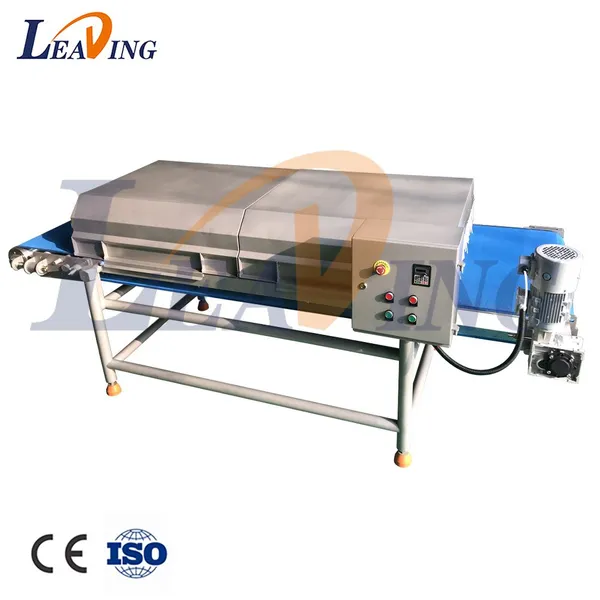
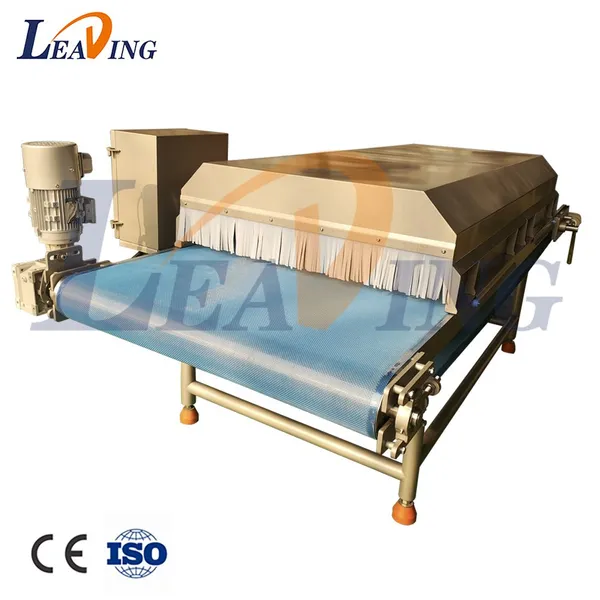
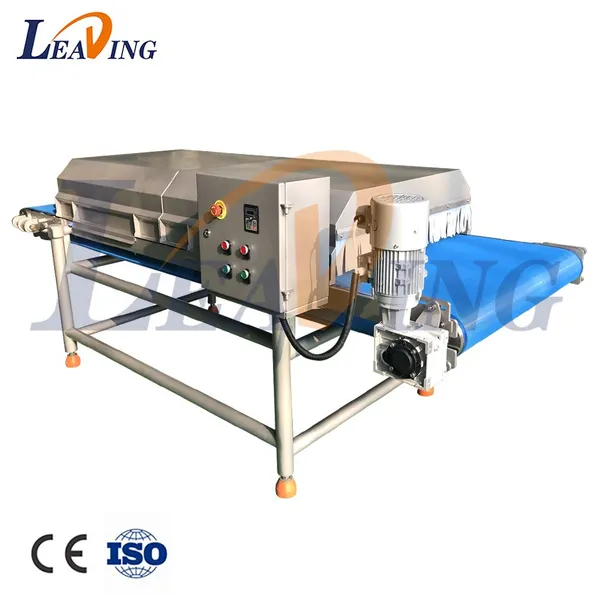
Commercial Stainless Steel UV Sterilize Machine With UV Germicidal Lamps for Food Processing and Food Packaging SterilizationUS$ 6780MOQ: 1 Set
-
UV Sterilize Machine Commercial Stainless Steel UV Lamp Sterilizer for Food Production Line and Food Packaging Surface DisinfectionUS$ 6780MOQ: 1 Set
-
Stainless Steel UV Sterilize Machine Commercial Grade UV Germicidal Lamp Equipment for Food Production and Food Packaging DisinfectionUS$ 6780MOQ: 1 Set
-
Commercial UV Sterilize Machine Stainless Steel UV Lamp Disinfection Equipment for Food Processing and Food PackagingUS$ 6780MOQ: 1 Set
-
UV Sterilize Machine Commercial Stainless Steel UV Disinfection Equipment With UV Germicidal Lamps for Food and Food PackagingUS$ 6780MOQ: 1 Set
-
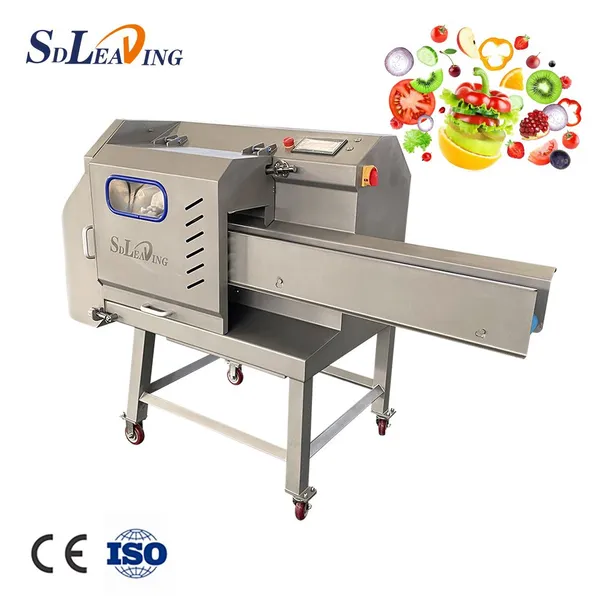
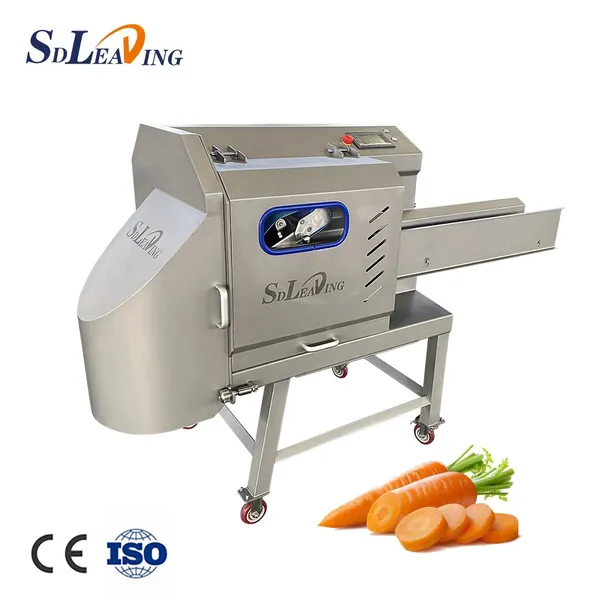
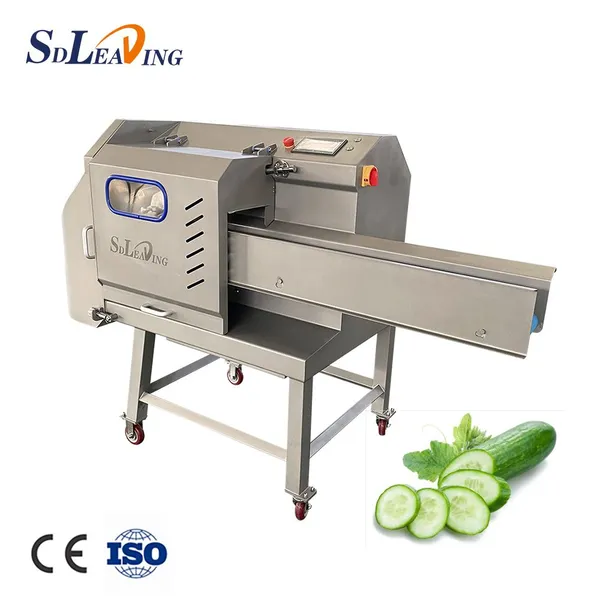
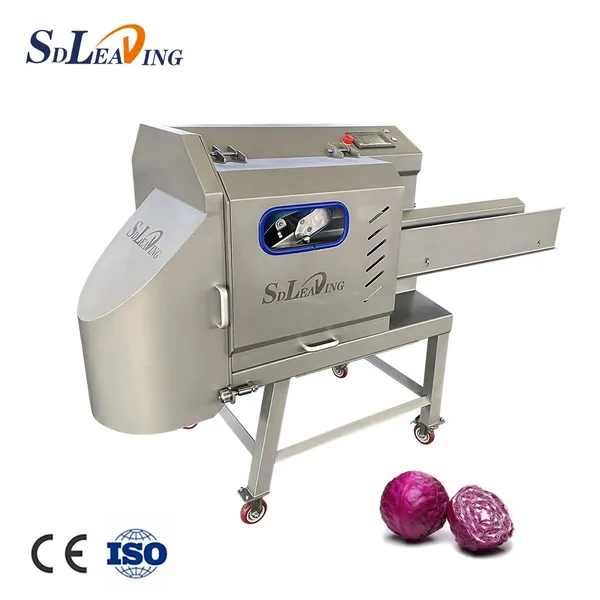
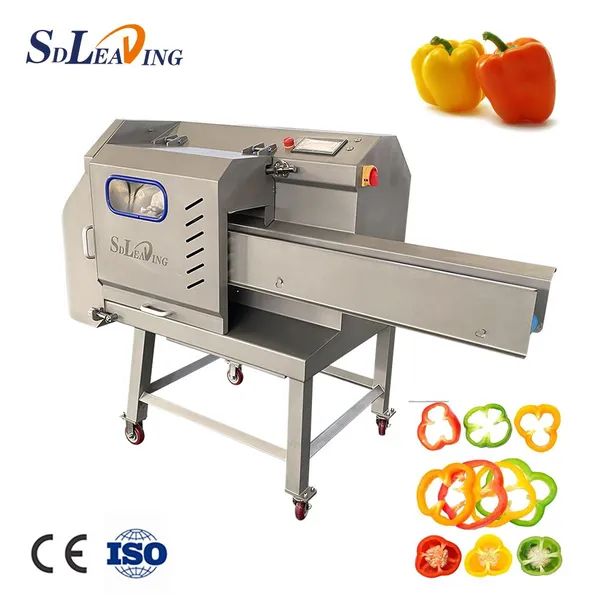
High Capacity Industrial Vegetables Cutting Machine Automatic Electric Vegetable Slicer Shredder Dicer for Food Processing PlantUS$ 7090 - 11800MOQ: 2 Sets
-
High Efficiency Industrial Vegetables Cutting Machine Automatic Commercial Electric Fruit Vegetable Slicer Dicer for CanteenUS$ 7090 - 11800MOQ: 2 Sets
-
Automatic Stainless Steel Vegetables Cutting Machine Commercial Electric Vegetable Slicer Dicer Shredder for Food ProcessingUS$ 7090 - 11800MOQ: 2 Sets
-
Multifunction Industrial Vegetables Cutting Machine Automatic Electric Potato Carrot Onion Slicer Dicer Cutter for RestaurantUS$ 7090 - 11800MOQ: 2 Sets
-
Industrial Automatic Vegetables Cutting Machine Commercial Electric Vegetable Slicer Dicer Shredder for Food Processing PlantUS$ 7090 - 11800MOQ: 2 Sets
-
Automatic Industrial Vegetables and Fruit Washing Machine Commercial Salad Spinach Cabbage Ozone Cleaner Washer EquipmentUS$ 9650 - 11960MOQ: 1 Set
-
Multifunctional Automatic Vegetables and Fruit Washing Machine Commercial Tomato Apple Mango Washing Cleaning Machine PlantUS$ 5950 - 6250MOQ: 2 Sets
-
Large Scale Industrial Vegetables and Fruit Washing Machine Automatic Air Bubble Water Spray Cleaner for Food Processing LineUS$ 9650 - 11960MOQ: 1 Set
-
Energy Saving Commercial Vegetables and Fruit Washing Machine Industrial Automatic Stainless Steel Food Cleaning Washing LineUS$ 6650 - 11960MOQ: 1 Set
-
Automatic Stainless Steel Vegetables and Fruit Washing Machine Commercial Ultrasonic Bubble Washer for Restaurant and HotelUS$ 3900 - 5500MOQ: 2 Sets